How Long-Distance Moving Works From Start to Finish
People searching for how long-distance moving works from start to finish are often looking to understand the process and how local service providers can manage each step efficiently.
Understanding how long-distance moving works from start to finish can provide property owners with clarity and confidence during what is often a complex process. Whether relocating for work, family, or other reasons, knowing the typical steps involved-such as planning, packing, transportation, and delivery-can help streamline the experience. Property owners in the area might explore this topic to better prepare for their move, reduce stress, and ensure everything goes smoothly. Local service providers specializing in long-distance moves can assist with each phase, offering expertise and support tailored to individual needs.
Keeping informed about the process can also help property owners make practical decisions about timing, logistics, and what services are most beneficial. As they read on, they will discover how local movers coordinate the various stages of a long-distance move, providing reliable solutions that align with their specific circumstances. Connecting with experienced service providers can make the entire journey more manageable, giving property owners peace of mind as they transition to their new location.
- Long-distance moving consultation - individuals planning a move across state lines can rely on local contractors to provide guidance on the process and prepare for the move.
- Packing and loading services - those needing assistance with securely packing belongings for a long-distance move can connect with local service providers experienced in efficient packing methods.
- Transportation arrangements - clients seeking reliable transport options for their household items can work with local movers to coordinate logistics and ensure safe delivery.
- Unloading and setup - people arriving at their new residence can find local pros to handle unloading, unpacking, and arranging furniture to ease the transition.
- Post-move cleanup and disposal - after the move, local contractors can assist with cleaning and responsibly disposing of packing materials, helping to settle into the new home smoothly.

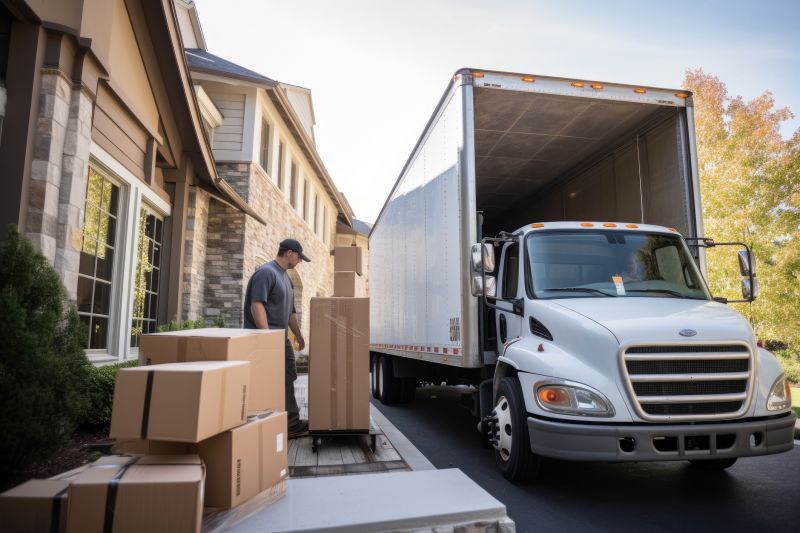

Understanding how long-distance moving works from start to finish involves recognizing the entire process that homeowners go through when relocating across states or regions. When people search for this topic, they often seek clarity on what steps are involved, how to plan effectively, and what to expect during each phase of the move. This type of move usually relates to significant life events such as job transfers, family changes, or purchasing a new home in a different area. It also encompasses the challenges of coordinating logistics over long distances, managing timing, and ensuring belongings arrive safely at the new location. Homeowners may be looking for guidance on how to streamline the process or find reliable service providers to handle the various aspects of their move.
Long-distance moving plans often involve several key stages, starting with initial preparation and organization. Homeowners typically begin by sorting and packing belongings, which can be time-consuming and physically demanding. They then need to choose and coordinate with moving service providers-such as moving companies or independent contractors-who specialize in long-distance relocations. These local service providers handle the transportation, loading, and unloading of household items, often offering additional services like packing assistance or storage options. Throughout the process, homeowners must also address logistical considerations, such as scheduling, insurance, and understanding regulations for moving between states or regions. Knowing how these elements fit together helps ensure a smoother experience and reduces the risk of unexpected delays or issues.
Properties involved in long-distance moves can vary widely, but typical examples include single-family homes, condominiums, and apartment units. Larger properties with extensive belongings may require more planning and coordination, while smaller residences often involve fewer logistical challenges. The type of property influences the scope of the move, including the amount of packing, the size of the moving truck needed, and the number of service providers involved. Additionally, homeowners may need to consider the accessibility of their current and new properties-such as stairs, elevators, or narrow doorways-which can impact how the move is executed. Local contractors experienced in long-distance moves are familiar with these property types and can adapt their services accordingly to meet specific needs.
Overall, understanding how long-distance moving works from start to finish helps homeowners better prepare for the complexities of relocating across regions. It involves strategic planning, selecting the right service providers, and managing logistics to ensure belongings are transported efficiently and safely. Local pros who specialize in long-distance moves play a crucial role in this process, offering expertise and reliable assistance to help navigate the various stages. By working with experienced service providers, homeowners can reduce stress, avoid common pitfalls, and achieve a successful transition to their new home. This comprehensive approach ensures that each phase of the move is handled professionally, making the entire experience more manageable and less overwhelming.
Moving Planning Services - These services assist with coordinating the logistics and scheduling necessary for long-distance moves, utilizing skills similar to those used in detailed moving plans.
Packing and Unpacking Services - Skilled professionals help with efficiently packing belongings and unpacking at the new location, requiring careful planning and organization comparable to long-distance moving processes.
Storage Solutions - Storage providers manage temporary holding of items during a move, paralleling the need for secure and organized storage in long-distance relocation projects.
Loading and Unloading Services - Experienced crews handle the physical loading and unloading of items, similar to the handling involved in long-distance moving logistics.
Specialty Item Handling - Experts in managing fragile, valuable, or oversized items ensure safe transport, aligning with the careful planning required for long-distance moves.
Transport and Logistics Coordination - Service providers organize transportation routes and timing, employing planning skills essential for successful long-distance relocations.
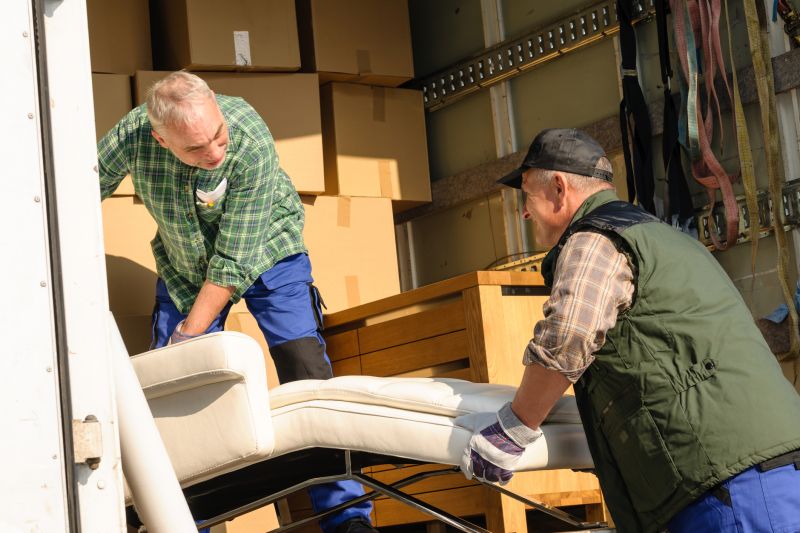
When comparing long-distance moving services, it’s important to consider the experience of local contractors with similar projects. Moving across state lines or long distances involves unique challenges, so selecting service providers who have a proven track record with comparable moves can help ensure a smoother process. Homeowners should look for local pros who can demonstrate familiarity with the logistics, regulations, and potential obstacles specific to long-distance relocations, as this experience often correlates with a more efficient and reliable service.
Clear written expectations are essential when evaluating long-distance moving services. Reputable local contractors will provide detailed information about the scope of work, what is included in their services, and any policies related to damages or delays. Having this information in writing helps prevent misunderstandings and sets a transparent foundation for the move. Homeowners should seek out providers who are willing to explain their processes thoroughly and who can offer documentation that outlines what to expect at each stage of the move.
Good communication and reputable references are key indicators of a dependable long-distance moving service. Local pros who maintain open lines of communication and respond promptly to questions are more likely to deliver a positive experience. Additionally, asking for references or reviews from previous customers who have completed similar relocations can provide valuable insights into the provider’s reliability and professionalism. By focusing on these qualities, homeowners can better compare service providers and select those best equipped to handle the complexities of a long-distance move from start to finish.
Property owners often search for how long-distance moving works from start to finish when they are planning practical projects around their homes and businesses. Local pros provide Long-Distance Moving services for everyday jobs and straightforward project options.
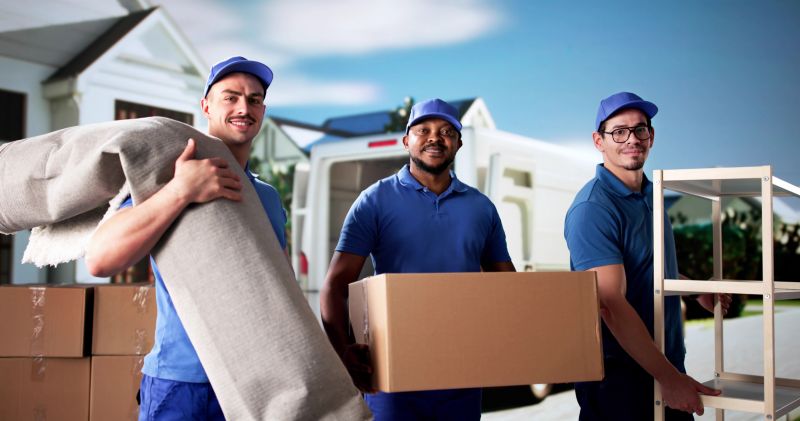
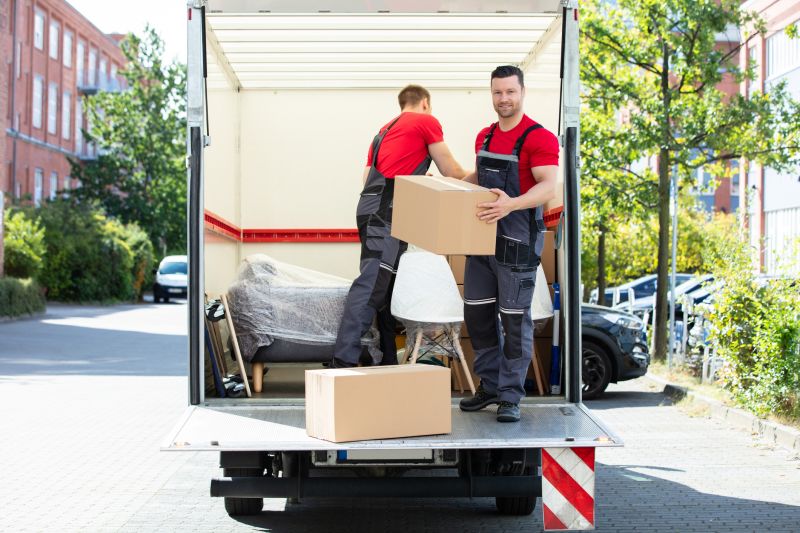
Understanding how long-distance moving works from start to finish can help property owners in the area plan their relocation with confidence. Typically, the process begins with an initial consultation where service providers assess the scope of the move, including the size of the property and specific needs. Once a plan is in place, local contractors often assist with packing belongings securely, organizing items for transportation, and scheduling the logistics for the move day. This organized approach ensures that the transition between properties is smooth and efficient, reducing stress and potential delays.
Throughout the move, experienced service providers handle the heavy lifting, transportation, and unloading at the new location. They coordinate the logistics to ensure that belongings arrive safely and on time. Property owners might look up this information to understand what to expect during a long-distance move, or to find local companies capable of managing each step professionally. Connecting with local contractors who specialize in long-distance moves can simplify the process, providing peace of mind that the move will be managed effectively from start to finish.
How do long-distance moving services typically work from start to finish? Long-distance moving services generally involve scheduling a consultation, packing and loading belongings, transporting items over the distance, and unloading at the new location. Local contractors can assist with each stage to ensure a smooth process.
What steps are involved in coordinating a long-distance move with a service provider? Coordination usually includes planning the move date, arranging for packing assistance, and scheduling transportation. Local moving professionals can help manage these steps for a seamless experience.
How do local contractors handle the logistics of a long-distance move? They organize the pickup, transportation, and delivery of belongings, often providing packing services and handling special items to ensure everything arrives safely at the destination.
What should I expect during the moving process from start to finish? Expect an initial planning phase, packing, loading, transportation, and final delivery and unpacking. Local service providers can support each phase to make the process efficient.
How can local pros assist with the different stages of a long-distance move? They can offer packing, loading, transportation, and unloading services, coordinating the entire move to help clients transition smoothly from one location to another.
Planning and preparation - Property owners can work with local contractors to organize belongings, create an inventory, and prepare the property for a smooth move.
Scheduling and logistics - Coordinating with local service providers helps ensure proper scheduling of transportation and loading to align with moving plans.
Loading and transportation - Moving professionals handle packing, loading, and transporting belongings securely over long distances to reach the new location.
Unloading and settling in - After arrival, local pros assist with unloading, unpacking, and setting up the new property for a seamless transition.
If you are thinking about how long-distance moving works from start to finish for a property, this guide is meant to help you understand this topic, the typical project types, and how different options might fit your plans.
When you are ready, you can use the quote form on this page to share a few details about your project. From there, local pros can review the basics and follow up with options that match what you have in mind.